+86075584509986

+86075584509986
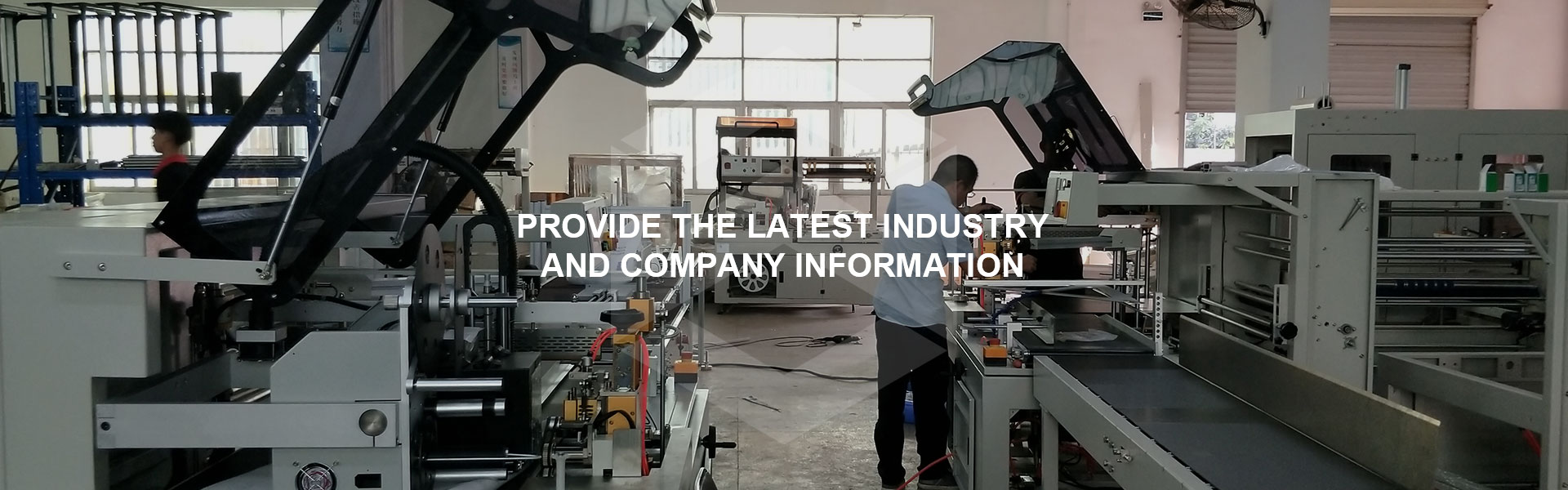
Automatic Bagging Machine: Enhancing Efficiency in Modern Packaging
2026-04-13
With the rapid development of industrial automation, automatic bagging machines have become essential equipment in many industries. Traditional manual packaging methods are often time-consuming, labor-intensive, and prone to errors. In contrast, automated systems significantly improve efficiency and consistency, making them increasingly popular in modern production lines.
An automatic bagging machine is designed to complete the entire packaging process without human intervention. Its operation typically includes material weighing, bag positioning, filling, and sealing. Advanced machines are equipped with sensors and control systems to ensure precision and stability throughout the process.
Automatic bagging machines can also be classified based on the types of products they are designed to package. For instance, machines used for electronic products are typically designed with anti-static features and precise handling systems to protect sensitive components. For daily necessities, such as household items, bagging machines focus on flexibility and speed to accommodate different shapes and sizes. In the cosmetics industry, machines require high standards of cleanliness and gentle handling to maintain product quality and appearance. Meanwhile, in the pharmaceutical field, bagging machines must meet strict regulatory and hygiene requirements to ensure safety and accuracy in packaging. Additionally, these machines can still be categorized into vertical and horizontal types depending on their structural design and packaging methods.
One of the main advantages of automatic bagging machines is their ability to improve production efficiency. They reduce labor costs by minimizing the need for manual work and provide consistent packaging quality. Furthermore, these machines offer high accuracy in measurement and meet strict hygiene standards, especially in the food and pharmaceutical industries.
With the advancement of technology, automatic bagging machines are moving toward greater intelligence and automation. The integration of smart control systems and Internet of Things (IoT) technology allows for real-time monitoring and data analysis. In the future, fully automated and unmanned packaging lines are expected to become the standard.