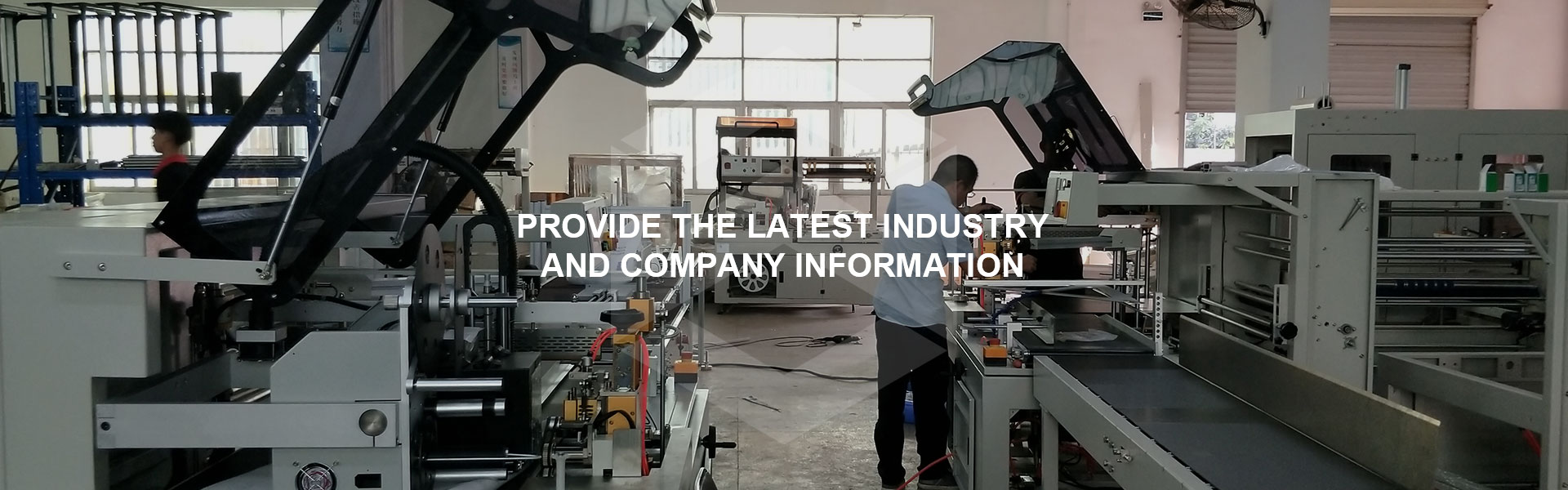
How a Bagging Machine Packages Products
2025-12-26
With the continuous improvement of industrial automation, **bagging machines** are widely used in industries such as food, chemicals, pharmaceuticals, building materials, and agriculture. They are designed to efficiently and accurately pack bulk or individual products into bags and seal them. Bagging machines not only improve production efficiency but also ensure consistent packaging quality. The following explains how a bagging machine packages products, focusing on its working principles and main processes.
I. Basic Components of a Bagging Machine
A typical bagging machine generally consists of the following key components:
1. **Feeding System**: Transfers products to the packaging area, such as belt conveyors, screw feeders, or vibratory feeders.
2. **Weighing and Dosing System**: Accurately measures products according to preset weight or quantity.
3. **Bag Forming or Bag Placing Unit**: Automatically forms bags from roll film or places pre-made bags onto the filling spout.
4. **Filling System**: Loads the measured product into the bag.
5. **Sealing System**: Seals the bag by heat sealing, sewing, or pressing.
6. **Control System**: Usually based on PLC and a touchscreen interface for parameter settings and automatic control.
II. Packaging Process of a Bagging Machine
1. **Product Feeding and Preparation**
Before packaging, products are continuously or intermittently fed into the machine through the feeding system. Different product forms—such as powders, granules, or lumps—require different feeding methods to ensure smooth and stable operation.
2. **Weighing and Measuring**
The weighing system measures the product precisely according to preset parameters. This step is critical to packaging accuracy and cost control, making it one of the most important functions of a bagging machine.
3. **Bag Placement or Bag Forming**
For pre-made bags, the machine automatically picks up, opens, and positions the bag at the filling spout.
For roll-film packaging, the machine automatically forms the bag and prepares it for filling.
4. **Product Filling**
The measured product is discharged into the bag through the filling spout. To prevent dust, spillage, or product damage, many bagging machines are equipped with dust-control or buffering devices.
5. **Sealing and Bag Shaping**
After filling, the sealing system closes the bag using heat sealing, sewing, or pressing, depending on the bag material and design. Some machines also shape or flatten the bag to improve appearance and stacking stability.
6. **Finished Product Discharge**
Once sealed, the bags are conveyed to downstream processes such as metal detection, check weighing, coding, or palletizing, and then sent to storage or distribution.
III. Advantages of Bagging Machines
* **High Efficiency**: Enables continuous automated production and significantly increases output.
* **High Accuracy**: Precise weighing reduces material waste.
* **Consistent Packaging**: Uniform package size and appearance enhance product presentation.
* **Reduced Labor Costs**: Minimizes manual operation and improves workplace safety.
IV. Conclusion
In summary, a bagging machine completes the entire packaging process—from bulk material to finished packaged product—through automated feeding, precise weighing, fast filling, and reliable sealing. With the advancement of intelligent manufacturing, modern bagging machines are evolving toward higher speed, greater accuracy, and smarter operation, playing an increasingly important role in industrial production.