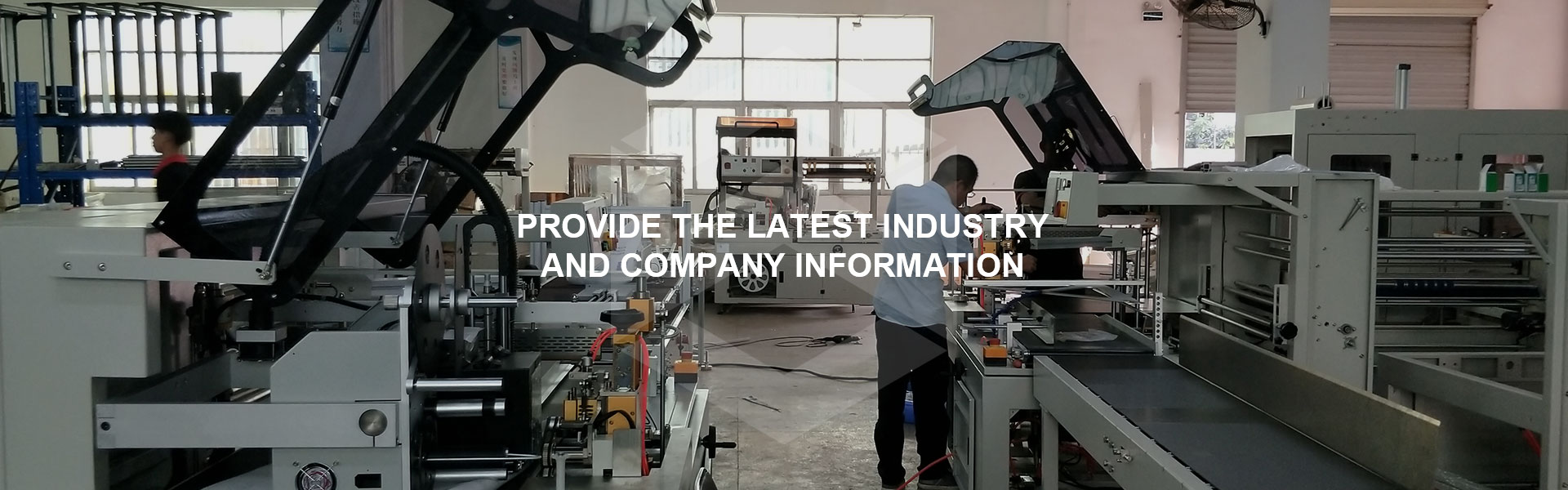
In modern industrial production, L-bar sealer shrink machines have become essential for improving packaging efficiency and quality. The choice of packaging tape plays a key role in the machine’s performance and the final packaging result. Using low-quality tape can lead to breakage, insufficient adhesion, or tape jams, which can reduce production efficiency and even damage products. So, how can you choose the right packaging tape for a shrink machine? Let’s break it down into several key considerations.
1. Identify the Tape Material
There are three main types of packaging tape commonly used with shrink machines:
PVC Heat-Shrink Tape:
*Suitable for heat-shrink packaging, with uniform shrinkage and high transparency.
*Provides tight, visually appealing packaging, commonly used in food, beverages, and gift packaging.
PE Shrink Tape:
*Flexible and stretchable, suitable for irregularly shaped products.
*Resistant to low temperatures, making it ideal for cold-chain or specialized industries.
OPP Carton Sealing Tape:
*Strong adhesion and high tensile strength, mainly used for securing boxes or bundling packages.
*Not suitable for heat-shrink packaging, but very reliable for general packing and logistics.
*When selecting tape, consider the product type, packaging method, and machine model to choose the most suitable material.
2. Adhesion and Stickiness
The tape’s adhesion directly affects the packaging stability:
*Low adhesion: Tape may peel off, resulting in loose or insecure sealing.
*Excessive adhesion: In high-speed automated packaging, the tape may tear or jam, reducing efficiency.
*It’s recommended to choose tape specifically designed for shrink machines, which balances strong adhesion with smooth machine operation.
3. Tape Width and Thickness
Different product sizes and machine models require appropriate tape dimensions:
*Too narrow: Insufficient sealing and weak hold.
*Too wide: May interfere with feeding or cause jamming.
*Too thin: Prone to breakage or stretching.
*Too thick: May shrink unevenly during heat-shrink, causing poor packaging results.
4. Heat Resistance and Shrink Performance
For heat-shrink packaging, the tape’s heat resistance and shrink ratio are crucial:
*The tape must withstand the machine’s heating process without melting or deforming.
*The shrink ratio should be appropriate, tight enough to hold the product but not damage it.
*Different brands and materials have varying shrink properties, so testing before bulk use is recommended.
5. Tape Quality and Shelf Life
Tape quality and storage conditions also affect machine performance:
*Deformed, damp, or expired tape should not be used, as it can cause adhesion failure, breakage, or poor sealing.
*Prefer high-quality tape from reputable manufacturers to ensure uniform performance and reliability.
*Store tape in a dry, clean environment away from direct sunlight and excessive heat.
6. Consider Practical Applications
When choosing tape, also consider production needs:
*Product type: Bottles, boxes, or irregular shapes require different tape materials and widths.
*Packaging speed: High-speed production lines require strong, smooth-running tape.
*Cost efficiency: Choose tape that balances quality and cost to reduce production expenses.
*By considering these factors, you can select the most suitable tape for shrink machines, ensuring stable operation and high-quality packaging results.
Conclusion
Choosing the right packaging tape for a shrink machine requires considering material type, adhesion, width and thickness, heat resistance and shrink performance, and overall quality and shelf life. Using the right tape ensures efficient machine operation, improves packaging quality, reduces production line issues, and provides secure, neat, and visually appealing packaging.